

This interview is with Amit Gupta, Physician, Ayurveda Practitioner, Founder at CureNatural.
Amit Gupta, Physician, Ayurveda Practitioner, Owner, CureNatural
Can you tell us about your background and how you became an expert in Ayurveda and natural health?
I trained as a physician in the 1990s and quickly began noticing the limitations of medicine alone and the inefficiencies of the healthcare system, especially the insurance industry. Wanting to make a difference, I stepped away from clinical practice and started a company to address those problems. That effort led me to develop the concept of Health Savings Accounts (HSAs).
In 2003, I went to Washington, D.C. to advocate for HSA legislation, which was successfully passed and changed how millions of Americans could manage their healthcare. After my company's success, I continued building several healthcare startups focused on innovation and patient empowerment. But years of nonstop work eventually caught up with me. The long hours and constant pressure led to the kind of burnout that many entrepreneurs experience.
Around 2007, I turned to yoga and meditation to regain balance. What began as a stress-relief practice soon became a profound exploration of mind and body. As a physician, my curiosity deepened, and I discovered Ayurveda, the ancient science of life and wellness. To learn it fully, I traveled to India and trained at a Green Leaf Certified Ayurvedic Hospital and Teaching Center.
Afterward, I opened an Ayurveda and Yoga retreat center in Europe, located in the mountains near the Mediterranean Sea. For three years, I lived and worked there full-time, guiding people through Ayurvedic therapies, lifestyle routines, and meditation. It was a complete transformation from my previous fast-paced entrepreneurial life to one centered around nature, mindfulness, and holistic healing.
When I returned to the United States in 2014, I blended both worlds — healthcare innovation and Ayurveda. Today, I offer personalized Ayurvedic consultations, creating custom wellness and yoga plans that help people live in better balance.
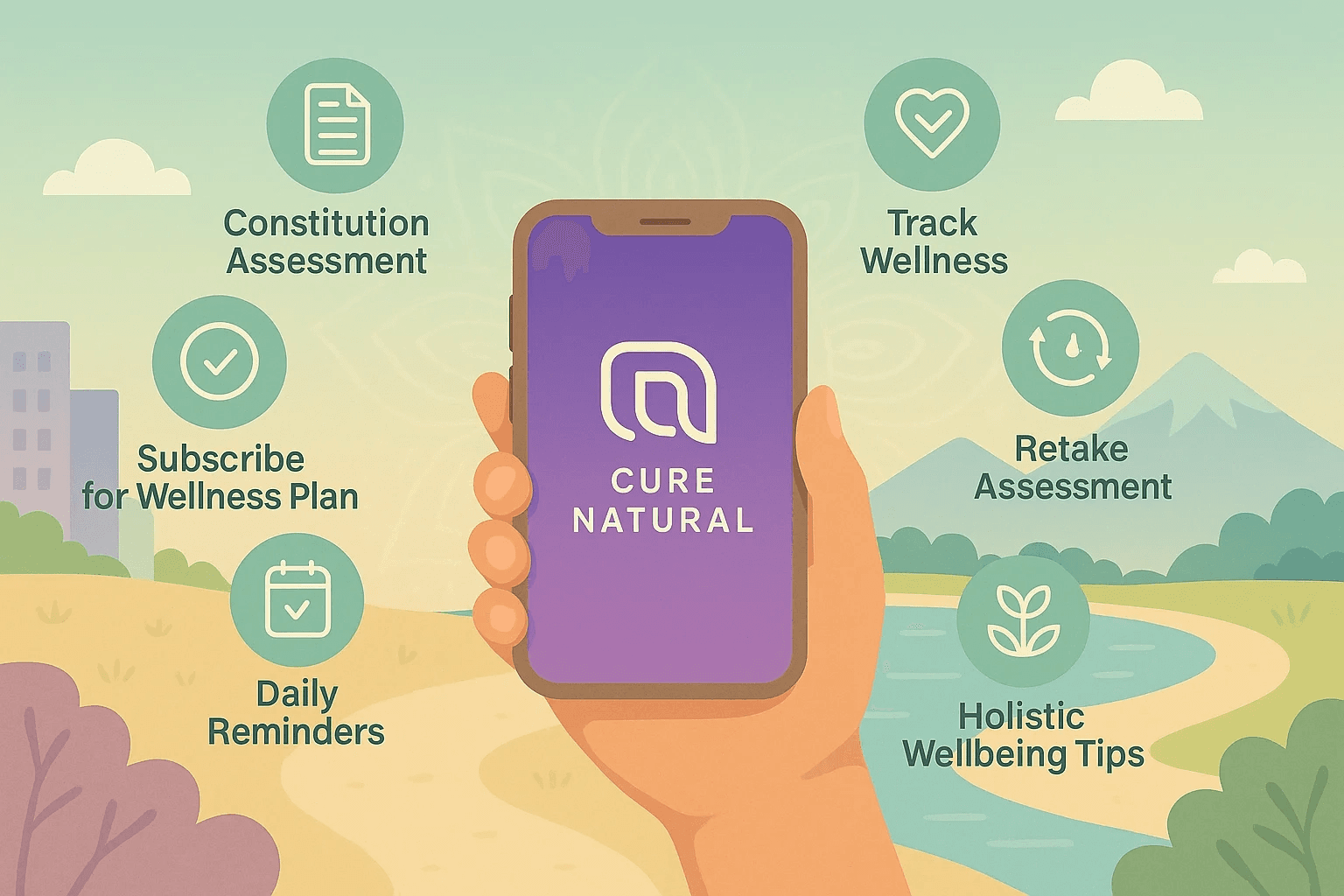
This work has evolved into CureNatural.com, a platform for online education in Ayurveda and yoga, and a mobile app launching soon. The app provides customized wellness plans, progress tracking, and daily reminders to help users follow Ayurvedic principles in modern life.
My journey has come full circle — from treating disease to helping people prevent it, and from building healthcare systems to guiding others toward self-healing through balance and awareness.
What inspired you to merge traditional Ayurvedic practices with modern digital health solutions?
What inspired me to merge traditional Ayurvedic practices with modern digital health solutions was my own experience of living in both worlds. As a physician and healthcare entrepreneur, I spent years building companies that used technology to solve complex problems in modern medicine. But even with all that innovation, I realized something was missing. People were becoming more connected to their devices but increasingly disconnected from their own natural rhythm.
When I discovered yoga, meditation, and Ayurveda during a time of burnout, it changed everything for me. Ayurveda is based on alignment with nature. It follows the cycles of the seasons, the environment, and the circadian rhythm that already exists within each of us. Real health comes from living in harmony with these natural rhythms. Yet in today's busy work culture, many people forget this rhythm completely.
That understanding became the foundation for CureNatural. I wanted to bring ancient wisdom into modern life through practical digital tools. Mobile apps and online platforms can gently bring rhythm and structure back into people's lives. Simple reminders to eat, rest, or move at the right times can help restore balance.
For Ayurveda to be truly effective, people need to live in sync with nature, not separate from it. Technology gives us a way to translate these timeless principles into daily habits that fit into modern schedules. In that way, digital health tools can help people reconnect with something deeply human and universal — their own inner rhythm of well-being.
Could you share a specific case where you applied Ayurvedic principles to solve a complex health issue that conventional medicine struggled with?
Of course. I have a blog post on my website about this health issue of a client, "Teena," from Arizona, who chopped off an inch of her thumb with a chainsaw. She sought medical help in the ER/hospital. They could do nothing and told her to seek plastic surgery. She came to seek help as she was already a believer in natural health. I helped her select the right supportive herbs for her own body and immunity to regenerate her thumb. In 3 months, her thumb has grown back almost to normal, as you can see in before/after pictures. See link here: https://curenatural.com/natural-healing/
How has your experience in the health insurance industry influenced your approach to natural health and wellness?
My experience in the health insurance industry completely changed how I think about health and wellness. Working in that system, I saw how medicine had become the first response for almost everything, even simple issues like a cough, cold, or mild digestive problem. Primary care was never meant to be that way. It was supposed to guide people in improving their diet, nutrition, lifestyle, and preventive habits.
Insurance was originally designed for major health needs such as hospitalizations, accidents, or serious chronic illnesses. It was never meant to control everyday care or dictate what happens when someone walks into a doctor's office. Over time, however, that is exactly what happened. Insurance companies now influence how doctors practice, how much time they can spend with each patient, and what care is considered "covered."
That experience made me realize that true preventive care must start at home, not in a clinic. People need tools and guidance from wellness professionals who can help them maintain balance before things go wrong. I often explain it this way: you would not go to a car repair shop to fill your gas, check your tire pressure, or get a car wash. You do those maintenance tasks yourself. But if you ignore them long enough, you will eventually end up in the repair shop. The same applies to our bodies.
This thinking was also the foundation for my idea of Health Savings Accounts (HSAs) years ago. I believed that the first portion of a person's healthcare dollars should be set aside for preventive and self-directed care, such as yoga, chiropractic visits, nutrition counseling, and Ayurveda consultations. Both individuals and employers could contribute to this tax-free account. If a serious issue or emergency arises, the insurance plan would then cover those higher costs.
That model was my way of bridging two worlds. The efficiency and structure of modern healthcare can exist alongside the wisdom of natural, preventive wellness. Real health does not begin in the doctor's office. It begins at home, with daily maintenance, awareness, and the right tools to support the natural balance of the body and mind.
Can you describe a challenging moment in your entrepreneurial journey and how you overcame it using Ayurvedic wisdom?
One of the most challenging moments in my entrepreneurial journey came during a period when I was running multiple startups at once. Like many entrepreneurs, I wore too many hats because resources were limited. I was managing teams, meeting investors, designing products, and often working late into the night. On the outside, it looked like success. On the inside, I was running on empty.
That period of burnout was a turning point for me. I realized that constant achievement had become my only measure of progress, and I had completely neglected my own health. My mind was restless, my energy was unstable, and even though I had built companies that focused on improving healthcare, I was not taking care of myself.
This is when I turned to yoga and meditation, and later discovered Ayurveda. What began as a simple attempt to manage stress soon became a deep process of realignment. Through daily routines, breathwork, and mindful eating, I began to rebuild my energy and mental clarity. Ayurveda taught me that health is not about quick fixes, but about rhythm and balance. When I learned to respect my natural cycles and work in harmony with them, everything began to shift.
I started structuring my day according to Ayurvedic principles, working during my most productive hours and taking regular breaks to move, breathe, and reset. I began waking earlier, spending quiet time in meditation before diving into work, and eating lighter meals during high-pressure days to maintain focus. These changes not only helped me recover but also made me more creative, patient, and effective as a leader.
That experience shaped how I live and work today. Ayurveda gave me a framework to understand that sustainable success comes from steadiness, not from speed. It taught me that leadership begins with self-care, and that clarity and innovation only thrive when the mind and body are in balance.
That is why I now teach others to bring that same awareness into their lives through Ayurveda, yoga, and modern digital wellness tools. The wisdom that helped me recover from burnout is the same wisdom I now share through CureNatural.
How do you integrate technology into your practice of therapeutic yoga, and what benefits have you seen from this fusion?
Integrating technology into the practice of therapeutic yoga has been one of the most exciting parts of my work. Both Ayurveda and therapeutic yoga are deeply personalized systems. They recognize that every person has a unique constitution, energy pattern, and mental state. Modern technology now gives us the tools to make that ancient personalization accessible and practical in daily life.
Ayurveda teaches us that health depends on balance between the doshas, or body-mind energies: Vata, Pitta, and Kapha. Each person has a natural constitution, and imbalances occur when we live out of sync with it. For example, a Vata-dominant person tends to move quickly, multitask, and gravitate toward high activity, but what they really need is grounding and stillness. A Kapha-dominant person, on the other hand, feels drawn to rest and comfort when they actually benefit from movement and stimulation.
Technology helps bridge that gap between what we want to do and what we need to do. Using algorithms built on Ayurvedic principles, we can assess an individual's constitution, current state of imbalance, and even their emotional tendencies. From that information, the system can create a personalized yoga routine that aligns with their true needs — not just their preferences.
In the CureNatural app, this integration goes a step further. It offers daily reminders, motivational guidance, educational content, and even food and lifestyle recommendations to support the yoga practice. It becomes a full ecosystem of balance and awareness.
The benefits have been remarkable. Users often share that they finally understand why certain practices work for them while others do not. They begin to notice subtle changes in energy, mood, and focus because their routines are finally in alignment with their nature.
By combining therapeutic yoga with intelligent technology, we are not replacing human wisdom but amplifying it. Ayurveda gives us the timeless understanding of how the body and mind work. Technology gives us the means to deliver that wisdom consistently and personally in a world where most people have lost touch with their natural rhythm. Together, they make holistic health practical, measurable, and truly personal.
What's the most surprising connection you've discovered between Ayurvedic practices and modern utilization management in healthcare?
The most surprising connection I have found between Ayurvedic practices and modern utilization management in healthcare is how both, at their core, are about balance and appropriate use of resources. Ayurveda teaches balance within the body and mind, while utilization management is meant to bring balance to how medical resources are used. Unfortunately, in today's healthcare environment, that principle has been lost.
Modern medicine has turned into what I often call "revenue-based medicine." When most people visit a doctor, they are almost guaranteed to walk away with a prescription, lab tests, imaging studies, or procedures, whether they truly need them or not. Physicians often feel pressured to "do something" so the patient feels cared for, and at the same time, they must meet administrative or financial expectations. The result is excessive utilization. Studies show that nearly 30 percent of every healthcare dollar is spent on waste, fraud, or unnecessary services. Much of this is also driven by defensive medicine, where doctors order tests to protect themselves from potential liability rather than out of medical necessity.
Ayurveda offers an entirely different philosophy. It teaches prevention, self-awareness, and personal responsibility for health. When individuals understand their body type, their imbalances, and the natural rhythms of life, they can often prevent illness before it begins. This approach not only improves personal well-being but also reduces the burden on the medical system.
If more people adopted Ayurvedic principles and natural wellness practices, the healthcare system could refocus its energy where it is truly needed: chronic disease management, complex cases, and emergency care. Preventive and lifestyle-based health would once again belong where it should be — in daily life, not in hospitals.
That is the connection I find most inspiring. Both Ayurveda and utilization management seek efficiency and balance. Ayurveda does it within the human body. Utilization management attempts to do it within the healthcare system. When people embrace natural wellness, both forms of balance can coexist, leading to a more sustainable model of care for everyone.
Looking ahead, what innovative project are you most excited about that combines Ayurveda, technology, and entrepreneurship?
The project I am most excited about right now is CureNatural, which brings together everything I have learned from medicine, entrepreneurship, and Ayurveda. My vision is to make Ayurveda practical, modern, and accessible to people everywhere, especially those in the Western world who often find it overwhelming or too traditional to relate to.
CureNatural has three main parts. The first is an online education platform that teaches the foundations of Ayurveda, yoga, and natural health through clear, easy-to-understand courses. I have intentionally removed the heavy use of Sanskrit terminology and complex theory so that people can grasp the core principles without feeling intimidated. The goal is to help anyone learn how to apply Ayurvedic wisdom in daily life for better energy, digestion, sleep, and emotional balance.
The second part focuses on personalized consultations. I work directly with individuals to help them understand their body constitution, current imbalances, and lifestyle patterns. From that, we create customized wellness plans that include diet, herbs, yoga routines, and daily practices. What I love about this work is watching people realize that small, consistent changes can have a profound impact on how they feel.
The third part, and perhaps the most exciting, is the CureNatural mobile app, which will launch soon. The app integrates Ayurvedic logic with modern technology to create personalized wellness plans and daily tracking. It helps users follow Ayurvedic routines, adjust meal and sleep times to match their constitution, and receive reminders that align with their natural rhythm. It even allows users to see how their habits evolve over time and how closely they are living in balance with their dosha type.
To me, CureNatural represents the future of integrative health. It combines ancient wisdom with modern digital tools so people can learn, apply, and live Ayurveda in a practical, measurable way. I see it as a bridge between timeless knowledge and today's lifestyle — a way to help people not just understand Ayurveda but experience it every day.