
Summary
Attending a conference can be overwhelming without the right preparation strategy. This article outlines four practical techniques to help professionals maximize their conference experience, drawing on insights from industry experts and seasoned attendees. These methods cover everything from pre-event planning to building an effective daily schedule that balances learning and networking opportunities.
- Contributor
- Staff
- Published
- June 5, 2026
- Contributors
- AH
 DG
DG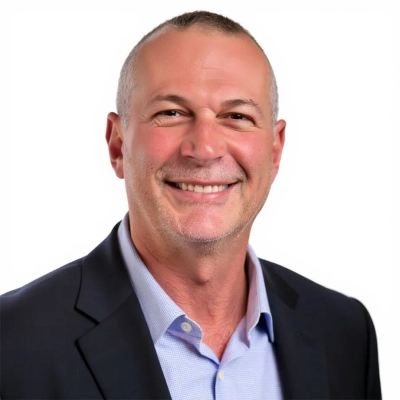 CL
CL MV
MV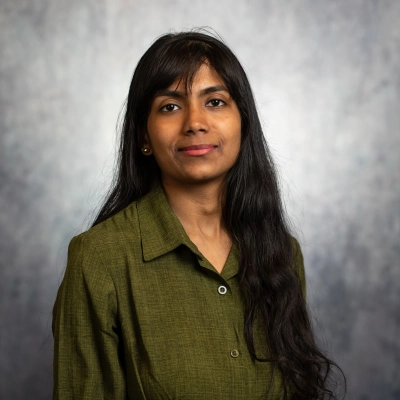 Alexander Hamling · David Ghozland · Cynthia Lee · Mallika Venkatramani, MS, CGC
Create a Focused Study Plan
Alexander HamlingPediatrician, Pacific Medical Centers
As I prepare to attend this year's AAP NCE in San Diego, one technique that has consistently enhanced my experience is creating a focused "learning agenda" in advance. About one to two weeks before the conference, I review the program app and identify a handful of clinical gaps and topics that I want to attend, and add specific sessions and events to my calendar. This approach transforms my participation from passive attendance to intentional learning, allowing me to listen actively for answers to questions I've already formulated. It also helps me retain information better because each session is tied to a clear purpose relevant to my practice. Pre-planning reduces the overwhelm and decision fatigue that often come with large conferences, freeing me to be more present and engaged. In addition, it makes networking more meaningful, as I can approach speakers and colleagues with thoughtful, targeted questions. Perhaps most importantly, this preparation allows me to leave with concrete, actionable changes I can implement in my practice shortly after returning. Overall, investing time upfront to define what I want to gain has consistently turned the conference into a higher-yield, practice-changing experience.
Schedule Time With Trusted Colleagues
David GhozlandOwner and OB/GYN, David Ghozland
One thing I've discovered after more than 15 years in the medical field and countless of conferences is that the doctors that benefit most from these events are not the ones that work the hardest in the room. Attendees, especially those senior physicians, are mainly there to reconnect with colleagues they already know and most can't be bothered to entertain younger doctors. And an overeager introduction from someone they've never met can leave a worse impression than no introduction at all.
Prior to any big conference now I contact 2 or three people with whom I have already established a rapport and set up a time to meet. That changed the entire experience, I no longer pursue attention from strangers, but I do connect with real people who are already appreciative of my work, and they are the ones whose attention will help ultimately produce value (referrals, collaborations, etc.).
Contact Relevant Speakers Before the Event
Cynthia LeeLead Clinical Research Coordinator (LCRC), AAA Biotech
A preparation technique that helped me a lot was reviewing the speaker list ahead of time and reaching out to a few people before the conference even started. Earlier on, I would attend events, listen to sessions, collect business cards, and then leave feeling I hadn't really built many meaningful connections.
Now, if I see someone speaking about study operations, trial coordination, or workflow challenges related to the work I'm currently handling, I'll usually send a quick LinkedIn message or email beforehand to introduce myself.
It made a huge difference because when I attended the conference, conversations felt more comfortable and genuine instead of forced networking. I also found myself asking better questions during discussions because I already had some background on their work.
One conference in particular led to a really useful conversation about handling communication gaps across multiple study teams. We ended up sharing ideas that I later brought back and applied in our own processes.
So, preparing ahead of time changed conferences from something passive into something much more interactive and worthwhile.
Build a Balanced Daily Agenda
Mallika Venkatramani, MS, CGCCertified Genetic Counselor, Grady Health System
One of the most insightful pieces of conference advice I've received is to "pace oneself". This boils down to structuring conference activities in a manageable way. I prepare for busy conferences by using a free, widely-available tool - Excel or Spreadsheets.
I use a spreadsheet to make a detailed personal agenda for each day - I usually make a table, but a list works just as well. This agenda would not only include the talks I plan to attend, but also other activities that are not in the conference app (e.g. meeting a colleague for lunch). My step-by-step conference preparation is as follows:
- I first refer to the conference website for the agenda and mark the talks I am keen on attending. Because of the hectic nature of conferences, it is impractical to attend everything. Being selective is essential.
- I fill my spreadsheet with the talks I've marked, noting down the times and dates. I would also leave room to speak with any presenters.
- If you have a poster or presentation, that should also go into your spreadsheet.
- Then, I try to see where I have pockets of spare time. I would fill these with the following: visiting exhibitors or posters, networking and taking breaks.
- A week before the conference, I reach out to colleagues, former coworkers, mentors, etc. and ask if they are attending the conference and would be able to meet for lunch or coffee. If a plan is made, I fill some of those pockets of spare time.
- It is just as important to make time to view posters and exhibitors. I can't count the number of times I've bumped into familiar faces at the exhibitor booths! Again, this is where your spreadsheet is valuable. See when you can dedicated a couple of hours to visit exhibitors and posters.
- Lastly, I reserve time to take breaks. Exploring a local coffee shop, a landmark in the city, etc. give us something to anticipate each day of the conference.
- Pro tip: I make a separate column in the spreadsheet for any contacts I made during the conference. This might be a new face I met, or a speaker whose talk I enjoyed. I typically follow-up with them after the conference.
Genetics conferences are hectic - they start early in the morning, are filled with content-heavy talks, and have numerous activities running simultaneously. To beat the mental exhaustion that comes with sitting through multiple talks, I have found it helpful to prepare this spreadsheet in advance so that I stay oriented and productive.