

4 Ways to Adapt Your Mentoring Style for Struggling Clinical Students
Clinical students face unique challenges during their training, and traditional mentoring approaches don't always meet their needs. This article presents four practical strategies backed by insights from experienced clinical educators who have successfully guided struggling students. These methods focus on building confidence, improving communication, and creating an environment where students can learn from both successes and mistakes.
Ask What Went Right
To move from passive instruction to productive mentorship, shift from explaining concepts to watching how the student reasons through them. Instead of repeating what they got wrong, ask what they think they did right. If their thinking holds up, the mistake will autocorrect with almost no additional intervention. That being said, this process requires longer silences, fewer prompts, and a willingness to let the learner make small errors uninterrupted.
Give Immediate Constructive Feedback
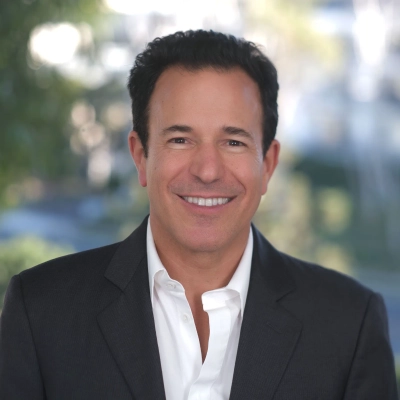
Being a Vice President and Lead Clinical Director of Texas Academy of Medical Aesthetics, I work with students and assist them in becoming more confident and acquiring practical clinical skills. There are rare occasions when the student works hard and is the focal concern when the student is finding it difficult to go through the learning process. In the majority of cases, it concerns confidence as well as clarity in the process of performing procedures. I adjust my style by breaking down treatments into small and manageable tasks. In this manner, the students would be able to master each point of the process and then move on to the entire session. It maintains a very hands-on approach to learning, and the safety of patients is never jeopardized.
The only modification that creates an even larger impact than any other one is to provide immediate and constructive feedback during every attempt. The students can see their progress immediately by sharing what was done right at the same time and pointing out the mistakes. Other than that, it allows them to avail the guidance immediately and simultaneously, which makes the learning process more memorable. Such a teaching method assists students in getting confident in a very short period of time and transforms their indecisions into competence. The fact that students grow up into competent and demanding practitioners is very rewarding, and it shows that when timely feedback is provided, it can go a long way in being supplemented by constructive direction.
Prioritize Psychological Safety
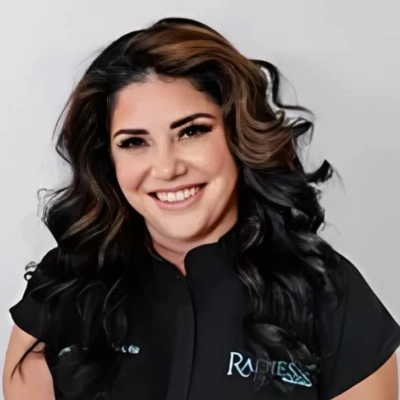
I find that the students who are struggling clinically struggle because of a "cognitive overload. They get so focused on electronic health records or procedural checklists that they lose the patient's clinical narrative. To adapt to this, I moved from being just an observer to more of a "co-pilot" during their clinical encounters. We would pre-brief before entering the room and set one specific goal, like perfecting the physical exam of a join or refining the history-taking for a specific pathology.
But the adjustment that made the biggest difference for me was prioritizing psychological safety. I started sharing my own past clinical mistakes and "near misses" with my students, and once they realized that clinical mistakes are just a part of the learning curve and not a career-ending failure, they relaxed and their performance improved. Taking away the fear and anxiety about being "wrong," made students more proactive about asking questions and much more accurate in their clinical presentations because they were no longer holding back.

Require Commit First Decisions
I had a resident who was technically brilliant but paralyzed by perfectionism. They could recite every symptom and guideline, yet when it came time to treat the patient, they would look at me and ask what we should do. They were stuck in student mode - gathering data but terrified of making the final call. My standard approach of Socratic questioning wasn't working because it just felt like another oral exam to them.
I switched to a strict "commit first" policy. Before I offered any input, they had to state exactly what they would write on the prescription pad if I wasn't there. No hedging allowed. It forced them to stop looking for the correct academic answer and start managing the actual clinical risk. Once they realized that making a safe, reasonable plan was more important than finding the obscure textbook diagnosis, their paralysis disappeared.
