
5 Ways to Maintain Meaningful Relationships with Unpredictable Schedules"
Busy schedules and constant demands can strain even the strongest relationships, but maintaining meaningful connections is possible with the right strategies. Industry experts who manage demanding careers share practical techniques for staying present and reliable when time is scarce. These five approaches help build trust and closeness even when your calendar feels impossible to control.
Protect Time And Close The Loop
I'm a board certified dermatologist in New York, and I have learned that relationships do not survive on good intentions alone. They need protected time. A large physician study showed that carving out one dedicated slot per half day for EHR work cut after hours and nonworkday charting, with only a small productivity dip. Burnout at the intervention site was reported as 81 percent lower after the change.
So I apply the same logic at home. I schedule connection the way I schedule procedures. My most valuable communication tool is a closed loop message. I name the stress, I state the plan, and I follow through. "I am running late. I want to hear you. I will call at 9:15." It sounds simple. It changes everything.

Give Advance Notice And Keep Promises
In emergency medicine, schedules swing quickly and stress comes in waves, so relationships stay healthiest when communication is steady and direct.
What's helped me most is giving people a heads-up before a hard stretch starts. If I'm heading into nights or a heavy rotation, I say it early, share what that week will look like, and set expectations around response time and availability. It keeps small misunderstandings from piling up.
The single most valuable strategy has been a simple two-part check-in. I'll send a quick practical update ("I'm on nights this week and running low on bandwidth"), then a short emotional line ("I miss you and I want to stay connected, can we lock in a time this weekend even if it's just a walk or a call?"). It's a small habit, but it reassures people, protects the relationship from ambiguity, and makes connection feel intentional rather than accidental.
When life gets unpredictable, clarity and follow-through do a lot of the work.

Send Small Touches And Prioritize Full Attention
A little, frequent contact with friends and family is one of the habits that have enabled me to maintain my relationship with people I care about. Even a text, a little call, or a weekly get-togeth, up can maintain the relationships intact when we are too busy and stressed. As a healthcare worker, I tend to lose time because I am usually busy with patient care, paperwork, and other tasks. To facilitate this, I inform my family and friends in advance when I will be free or occupied.
I also pay them the maximum attention when talking to them. It makes every meeting count, even when you spend a little time, when you are fully devoted to another individual. This has really enhanced trust and intimacy in our relations. Little things intentionally selected are effective. These small things done continuously will make sure that the relationship is well established, even in a healthcare setting that is very demanding.
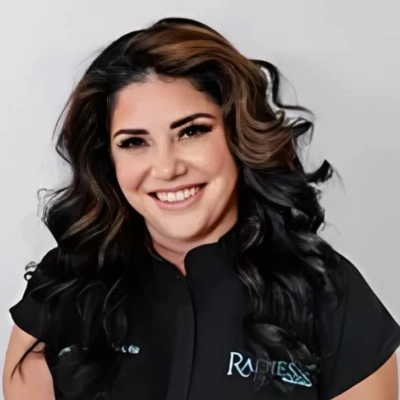
Anchor Relationships With Self-Care And Attentiveness
Our lives as healthcare professionals with unpredictable schedules and high stress require establishing and maintaining meaningful person relationships. I achieve this through self-care and self-compassion which allow me to establish and maintain resilience and mental health. Both self-compassion and self-care provide me with crucial connections to maintaining my mental health and a work-life balance.
I have also found social support to be a critical coping resource. Making a schedule that allows for opportunities to engage with family and friends has been transformative. Attending social events and workshops also assist in improving personal relationships.
A communication strategy that I have found to be particularly valuable is engaging in unhurried attentive conversations. These are conversations that utilize fundamental communication skills, including turn-taking, pausing to allow conversational partners time to speak and respond, expressing emotions, minimizing external interruptions and displaying open body language. These 'basic' communication skills allow me to stay present in the moment and provide my conversational partners with the attention they deserve. They create opportunities to build genuine emotional connections with others, despite time restraints.
Aleksey Aronov AGPCNP-BC
Adult Geriatric Primary Care Nurse Practitioner - Board Certified
VIPs IV
https://vipsiv.com
New York, NY

Set Expectations Early And Build Trust
In healthcare field, unpredictable schedules and high emotional stakes aren't just part of the job. They are job. Over the years, I've realized that keeping your personal relationships healthy in the middle of the chaos doesn't just happen by accident. It takes real intention.
I'm Nichola Brooks-Hay, founder of ProCare Home Health in Coral Springs, a suburb of Fort Lauderdale, Florida. Like most of you in this field, I've had those seasons where work demands more than I ever expected. The 5:00 AM starts, the late-night crises, and the "urgent" calls that always seem to hit at the worst possible time. Those pressures can quietly chip away at your relationships if you aren't paying attention.
If I've learned one thing, it's this: Setting expectations early is everything.
I used to just assume the people I loved would "understand" when I was running on empty. But I eventually realized that silence is dangerous thing to rely on. Now, I view clarity as a form of kindness. If I know I have a grueling week ahead, I say it out loud. I'm honest about my capacity, maybe that means I'll be slower to text back, or I'll need some extra quiet time when I finally get home.
It's not about apologizing for the work I do. It's about giving my people enough context, so they never have to guess where they stand.
The follow-up is just as important, and a simple message like, "I know I've been busy lately, but I really want to check in. How are you doing, honestly? If you need anything or just someone to listen, I'm here," can go a long way. It shows them they're still a priority, even when my time is tight. Presence isn't always about how many hour you spend together. It's about the sincerity you bring to the minutes you do have.
Healthcare teaches you fast that "perfect" isn't an option. But TRUST is. And trust grows when people feel informed rather than pushed aside.
My advice to my fellow healthcare professional is simple: Don't wait for conflict to come up before you speak up. Lead with clarity. Talk before the silence does. You don't need to be available 24/7 to have a strong relationship. You just need to be intentional.