
Summary
Building genuine professional relationships at medical conferences requires more than collecting business cards and attending sessions. This guide outlines seven proven strategies that help healthcare professionals connect with peers who share their clinical interests and research goals. Each approach has been validated by medical professionals who have successfully built their networks through strategic conference attendance.
- Contributor
- Staff
- Published
- April 17, 2026
- Contributors
- MA
 CL
CL Martina Ambardjieva · Cynthia Lee
Target Aligned Experts and Personalize Follow Up
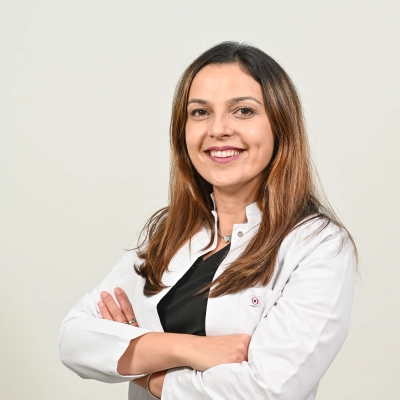
Martina AmbardjievaMedical expert, Invigor medical
One of the most valuable networking strategies I use at medical conferences is to be intentional rather than simply social. Instead of trying to meet as many people as possible, I focus on identifying a few speakers or colleagues whose work genuinely overlaps with my own clinical and academic interests. The most meaningful connections often happen right after a session, when the discussion is still fresh and there is a natural opening for conversation.
One particularly valuable connection came from approaching a speaker after a presentation in oncologic urology and asking a specific question related to my own research and clinical experience. I find that this works much better than a general introduction because it creates an immediate professional exchange and shows genuine interest in the person's work.
The follow-up is what makes the difference. After the conference, I sent a short personalized email within the next day or two, thanking them for the conversation, briefly reintroducing myself, and referencing the topic we discussed. When appropriate, I also included a relevant paper or a short note about my own work so the connection had context and continuity.
In my experience, the most effective conference networking is not about collecting contacts. It is about starting one thoughtful conversation and then following up in a professional, memorable way so that the connection can grow into future collaboration, mentorship, or academic exchange.
Dr. Martina Ambardjieva, MD, Urologist
Medical Expert at Invigor Medical,
https://invigormedical.com/
Trade Tactics Then Share a Workflow
Cynthia LeeLead Clinical Research Coordinator (LCRC), AAA Biotech
One networking approach that really worked for me at a medical conference was focusing on a few meaningful conversations instead of trying to connect with everyone. I remember attending a session on clinical trial operations, which is closely aligned with my role. After the session, I started talking to someone who was managing multi-site studies and facing challenges with protocol deviations and data consistency—something I've dealt with quite a bit.
Instead of keeping it surface-level, we got into a real discussion about how we each handle study documentation, communication between sites, and keeping everything aligned with the protocol. It felt more like exchanging experiences than "networking," which made it easier to connect.
After the conference, I followed up within a couple of days with a short, simple email. I mentioned our conversation and shared a quick note on a workflow approach we use to stay on track with study timelines.
That connection stuck, and we've stayed in touch since then, occasionally sharing insights around study management and operations.
Offer Value with One Scannable QR Code
Sharing a QR code to a simple page makes giving value quick and easy. The page can hold slides, checklists, or a short guide that solves a common problem. A short bio, contact form, and calendar link allow smooth follow-up.
A printed sticker on a badge or phone helps people scan without delay. Brief thanks after a scan can start a useful thread. Create and print one QR code that points to a helpful resource and share it during the meeting.
Volunteer to Moderate and Widen Access
Serving as a session moderator or note-taker puts a name and face in front of peers. The role gives an easy reason to speak with speakers and attendees after the session. Short, warm follow-ups can include the notes or a key take-home point.
Organizers often introduce reliable volunteers to other leaders, which widens access. The work shows respect for the field and builds trust fast. Contact the program team and volunteer for a session at the next conference.
Use Conference Apps to Schedule Quick Chats
Conference apps help turn brief openings into purposeful micro-meetings that fit busy days. Filters and tags surface people by specialty, methods, or shared aims. A clear ask and a ten minute slot lower the barrier to meet.
Quiet corners near the poster hall or a coffee stand keep the talk short and focused. A same-day note with one next step keeps momentum alive. Open the app and schedule three short chats with people who match your goals.
Join a Specialty Committee and Deliver Wins
Specialty meetups and committees gather people who care about the same issues. Regular touchpoints turn quick chats into steady ties with real outcomes. Taking a small role on a committee shows commitment and opens doors to shared work.
Suggesting a focused task, like a survey or draft statement, helps the group move. The shared win becomes a strong base for future projects. Go to one specialty meetup and ask how you can join or help on a committee.
Enter a Mentor Match with Clear Goals
Formal mentor matching programs remove guesswork and set clear expectations for both sides. The structure helps align interests, time limits, and goals from the start. A short goals sheet and a quarterly check-in plan keep talks useful.
Respect for time and honest updates build trust and invite guidance. Gratitude and small wins encourage mentors to open their network. Apply to a mentor match program and send a clear one page goals summary to begin.