Thumbnail

7 Strategies for Selecting Sessions at Medical Conferences That Maximize Learning

7 Strategies for Selecting Sessions at Medical Conferences That Maximize Learning

Medical conferences offer thousands of sessions, making it difficult to choose which ones will truly advance clinical practice and patient care. This guide presents seven expert-backed strategies to help healthcare professionals identify sessions that deliver actionable knowledge and practical skills. Leading medical educators and conference veterans share their methods for cutting through the noise and building a schedule that addresses real-world challenges.

Deepen Expertise, Test Novel Approach

I choose sessions using a simple rule: one to master, one to learn. Most of my agenda goes to deepening techniques I already offer, because incremental refinement is what patients actually feel in results. But I always reserve at least one session for something new, whether that's a new injectable technology or an emerging modality. That single session is how I evaluate what belongs in my clinic next, before my patients start asking about it. The goal isn't to attend everything. It's to leave with one improvement I can apply Monday morning.

Unite Biology, Psychology, and Social Care

The most important sessions are those in which I can learn to connect and integrate the biological aspect of mental health disorders with its psychological and social aspects. In order for me to provide the best possible care as a psychiatrist, I need to be able to combine all three perspectives. That's why I try to create a diverse schedule throughout the conference by including different topics such as psychotherapy, psychopharmacology, sleep disorders, trauma, and culture. Another way I try to enhance retention is to limit myself to fewer total sessions so I will have more time to review what I learned at each session with fellow attendees afterwards. Reviewing and talking about what was learned tends to make it stick much better than trying to take notes for an entire day.

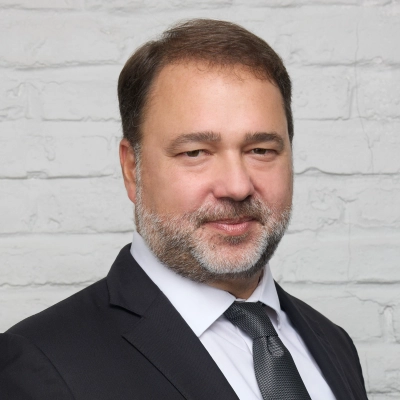
Michael Genovese
Michael GenoveseChief Medical Advisor, AscendantNY

Answer Bedside Unknowns, Elevate Lived Voices

I create a conference schedule based on which questions my patients are asking that I am not confident in answering. If I start to see many more patients with polysubstance abuse, chronic pain, or co-occurring mental health issues, then these will be the topics at the top of my list. Additionally, getting to attend presentations that include lived experience panels alongside scientific presentations is where I have seen the greatest growth in my ability to learn. Being able to hear directly from patients about their perspectives and experiences often changes how I apply evidence and treatment as it relates to their care.

Target A Bottleneck, Prefer Small Seminars

As an endodontist with a practice, I pinpoint a specific operational concern that I am struggling with, such as coordinating referrals, improving clinic staffing, or developing new clinical skills. These issues become my filter for deciding which sessions to attend. I always leave room to hear at least one program on non-endodontic topics; some of the best innovations I have incorporated into my practice have originated from general healthcare workflow conversations rather than solely from the dentistry world. You will most likely gain more practical insights if you pass up a crowded keynote to attend a small case-based seminar and to engage with the speaker, rather than just trying to collect credits to fill your schedule.

Pursue Monday Impact, Balance, Then Debrief

Good Day,
I do not pick out the sessions by considering the popularity of a particular topic. I am always trying to pick out those that will change my patient treatment approach during my Monday morning rounds. The presentation that offers something of clinical outcome, practical treatment plan, or a speaker that is brave enough to talk about failures and successes is the one I am interested in.

Moreover, I am always trying to create some balance between the sessions I attend. Thus, I always pick out those that will help me consolidate my knowledge and the sessions introducing me to some innovations or technologies. This helps me decide whether there is some real innovation or just a new thing.

There is one strategy I used successfully - I always leave time for talking to other participants after a particular presentation. It often happens that the best ideas appear after the discussion of the implementation of the concepts in practice.

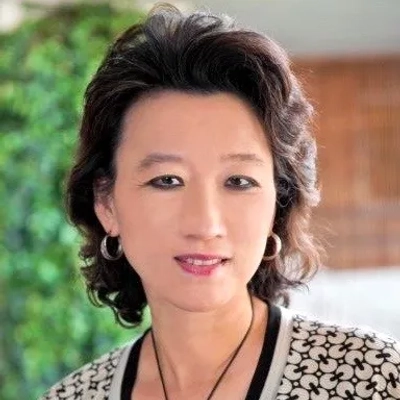
Angela Leung
Angela LeungDental Implantologist, Endodontist, Periodontist, Oral Surgeon, Cosmetic Dentist, Fellow of the ICOI, Diplomate of the ICOI, Associate Fellow of the AAID, Angela Leung DDS PC

Map Gaps, Vet Abstracts, Prioritize Posters

I prioritize by mapping sessions to the specific holes in what I'm doing, not to general interest. One selection strategy that has worked best is reading the published abstracts of the presenter(s) prior to the conference, rather than just the session title.

That's important for the following reasons. Session titles are written by marketing teams. Abstracts are written by researchers. When reading the abstract, you will be able to determine what data will be presented, what types of specimens were used, and the size of the sample. I used this approach at the 2023 SOFT annual meeting to avoid four sessions of "urinalysis update" that were basically rehashing 2019 data and instead attend a smaller forensic toxicology panel on the variance of thresholds across different laboratory instrumentation using LC-MS/MS.

Let's now discuss the floor sessions, as they are neglected too much. Keynotes are accompanied by poster presentations. The majority of the visitors pass them by. But lab directors and lead researchers stand next to their work for two hours and will answer questions that never make it into published papers. I have received more useful information from half an hour of poster discussion than from an hour of plenary talk. If you're attending a big conference, then schedule it first before anything else gets in the way.

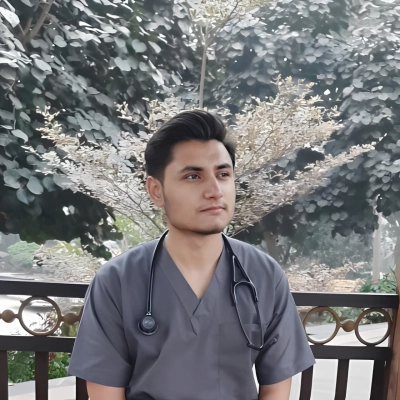
Muhammad Suffyan
Muhammad SuffyanMedical Doctor | Urinalysis | Specimen Validity | Drug Testing Science | Toxicology, Quick Fix Synthetic

Seek Recent Evidence, Welcome Provocative Debates

I tend to focus on sessions that address new and emerging evidence that has direct clinical utility to the field in areas such as treatment of opioid use disorder, treatment of stimulant use disorder, etc., as well as those related to preventing overdoses. The number of sessions at conferences can be overwhelming, therefore, I try to leave space open for debates and discussions regarding cases instead of attending lectures for each and every session. I have found that the greatest benefit of attending conferences comes from choosing presentations that will challenge your existing practice versus those that simply support them.

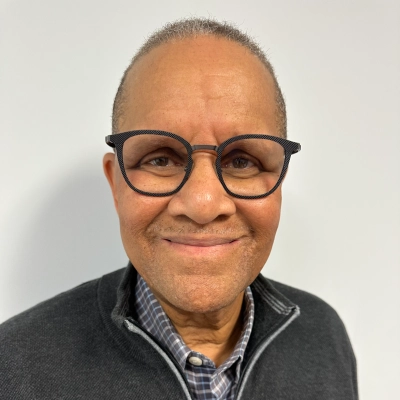
Charles Smith
Charles SmithMedical Director, Agape TC

Related Articles

Copyright © 2026 Featured. All rights reserved.
7 Strategies for Selecting Sessions at Medical Conferences That Maximize Learning - Doctors Magazine