
Summary
Unexpected medical outcomes can make trust feel fragile. This article shares practical ways doctors can communicate clearly, answer questions, listen, and stay accountable. Insights from experts in the field show how honesty, consent, and compassion can help rebuild trust with patients and families.
- Contributor
- Staff
- Published
- October 13, 2026
- Contributors




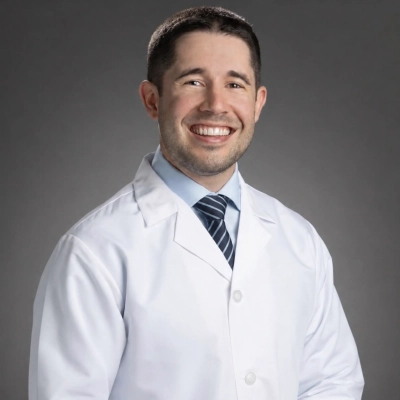
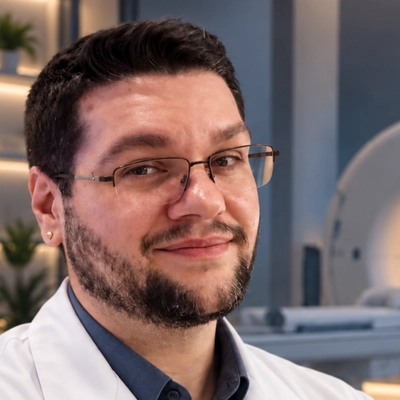 Dr. Cameron Rokhsar MD FAAD FAACS · Dr. Jaswinder Singh · Ben Frederick MD · Dr. Talha Qadir BDS, RDS · Dr. Daniel Salazar MD, MS, D.ABA · Dr Douglas Schreck
Name Uncertainty and Set Concrete Next Steps
Dr. Cameron Rokhsar MD FAAD FAACS, Founder & Medical Director
When an outcome is not what either of us expected, whether that is prolonged bruising, an uneven result, or a reaction that was not anticipated, I have learned to separate what I know for certain from what I am still figuring out, and to say both parts out loud rather than waiting until I have a complete explanation. Patients can tell the difference between a physician who is being evasive and one who is genuinely still assessing the situation, and naming that distinction directly, telling someone plainly that I do not yet have the full picture but here is what we know right now and here is the next step, tends to build trust rather than erode it. The lesson that shaped this most for me was realizing that silence in the gap between an unexpected outcome and a full explanation is what patients experience as abandonment, even when the physician's intention is simply to avoid speculating before all the facts are in. Staying present and communicating frequently during that uncertain window, even with incomplete information, matters more to most patients than getting the final explanation perfectly right on the first attempt. I also make a point of naming what happens next concretely, a follow up appointment time, a specific test, or a person they can call, because a vague reassurance that everything will be fine reads very differently from a specific plan they can hold onto.
Offer Honest Answers and Invite Questions
When an unexpected outcome happens, I believe the first conversation with the patient should be honest, calm, and focused on what we know at that point. I explain what has happened in simple language, what we are still trying to understand, and what the next steps are. I avoid giving a definite explanation before all the information is available. Patients usually want clarity, but they also need to know that it is okay to say, "I don't have the complete answer yet, but I am going to find out." I also make sure they have time to ask questions rather than trying to rush through a difficult conversation.
One lesson that has shaped my communication is that patients remember how you handled uncertainty just as much as the medical details. Being open about what went well, what did not go as expected, and what we are doing next helps maintain trust. In orthopaedics, where recovery can sometimes take an unexpected turn, I have found that honest communication and regular follow-up are essential. Even when the full picture is still emerging, the patient should never feel that they are being left without an explanation or a plan.
State Facts Then Pause and Listen
I tell my patients exactly what I know and exactly what I don't. When something unexpected happens and I'm still gathering information, the worst thing I can do is fill the gaps with vague reassurances or clinical jargon that distances me from the person sitting across from me. So I lead with the facts I have, name the facts I'm still waiting on, and lay out the next concrete steps we're taking to get answers.
One conversation years ago changed how I handle every difficult disclosure since. I had a patient who was upset, and my instinct was to explain and contextualize before I'd even acknowledged what they were going through. I caught myself mid-sentence, stopped, and just listened.
They told me what they were afraid of. Once I understood their concern, I could address it directly instead of defending a position they hadn't questioned.
Now I build a pause into those conversations on purpose. I share what happened, then I stop talking and let the patient respond. Their questions tell me what matters most to them, and that's where I focus my energy.
Secure Consent Before Treatment Begins
Dr. Talha Qadir BDS, RDS, Registered Dental Surgeon
Early in my training, a file separated inside a canal during a root canal treatment. It's a known risk of the procedure.
Before we started, I had told the patient that because their canals were calcified, this could happen, and that we would still try to save the tooth. The tooth already had a poor prognosis. So when it happened, they already knew it was possible. Thankfully, the patient cooperated and understood the situation, and we proceeded with an extraction.
Two lessons that I learned during my early days were: Clinically, with calcified canals, I now start with a size 6 hand file and only move to rotary once the canal is patent. And in communication: we dentists have all made mistakes at some point. Inform the patient before you start, and always have their consent.
Dr. Talha Qadir, BDS, RDS
Registered Dental Surgeon | Founder, Brightway Oral Care
Meet Families With Candor and Compassion
Dr. Daniel Salazar MD, MS, D.ABA, Pediatric & Adult Anesthesiologist | Founder, EveryWipe™
Unfortunately, unexpected outcomes do occur in perioperative medicine. Sometimes they are minor, while others can be life-threatening. When events like these occur, it is crucial to communicate openly and honestly with the patient and their family. Facts should be presented clearly, including what is known at the time, and plans moving forward. In anesthesiology, an enormous amount of trust is placed in us during a time when patients are particularly vulnerable. Avoiding or delaying a difficult conversation can undermine that trust. Being present, transparent, and compassionate is often just as important as having the right answers.
Show Up, Stay Accountable, Protect Trust
Dr Douglas Schreck, Diagnostic Radiologist & Medical Professor
The first thing is to show up. Before you have every answer, before you know whether it was a mistake, a complication, or an unavoidable outcome, you sit with the patient and say that something went differently than expected, that you are sorry it happened, and that you are going to find out exactly what happened and come back to them. You do not need to have all the facts to start. You need to be honest about the ones you do not have yet.
The hardest part is resisting the urge to wait until everything is confirmed. Silence reads as avoidance, and patients feel it as abandonment. What builds trust in that moment is not certainty. It is presence. It is looking the patient in the eye and saying, I do not know everything yet, but I am not going anywhere, and I will be the one who brings you the answers. That promise is what separates a patient who feels alone from a patient who feels like someone is walking the road with them.
You also have to resist the pull to assign blame too early, either to yourself or to a colleague. In the middle of an unfolding situation, you often cannot tell the difference between a mistake, a complication, and an outcome that no one could have prevented. Speculating about that in front of a patient helps no one. What helps is committing to the investigation, being transparent about the process, and staying accountable for the follow-through.
The lesson that has shaped how I communicate in these moments is simple: patients forgive uncertainty far more easily than they forgive being hidden from. The damage to the relationship rarely comes from the bad outcome itself. It comes from the sense that the doctor disappeared, or held back, or left them to face the worst alone. A difficult disclosure, done honestly, does not undo the harm. But it protects the one thing that lets you keep caring for that patient through whatever comes next, and trust is that thing.