Q&A · Vol. 6, No. 01
How Healthcare Professionals Protect Time for Patient Conversations
Summary
Patient conversations need more than a few spare minutes between tasks. Healthcare experts share practical ways to protect time, from closing notes promptly to preparing charts before appointments. These habits help clinicians focus on patient concerns and make each conversation count.
- Contributor
- Doctors Magazine
- Published
- November 16, 2026
§ How this was made
The perspectives in this article were written by the named contributors and submitted through Connectively. Connectively's automated system selected them and used AI to write the headline, introduction, section headings, summary sections, and illustration, and to make minor edits for clarity. Articles are assembled and published automatically. Report errors to corrections@connectively.us. How we make our content
What the experts said
5 signed answers
- Close Notes Between EncountersDr. Cameron Rokhsar MD FAAD FAACSDC
- Guard Opening MinutesRobert Kevlin M.S. CCC-SLPRK
- Allocate Prime Hours to Clinical TalksAndrzej KuleszaAK
- Prepare Charts Ahead of AppointmentsAnna EvansAE

- Elicit Concerns Beyond IntakeBrandon KeysBK
Close Notes Between Encounters
Dr. Cameron Rokhsar MD FAAD FAACSFounder & Medical Director, New York Cosmetic Skin & Laser Surgery Center
Finishing the note before the next patient walks in changed my days more than any other adjustment. Charting at night pulls attention away from the person in the room, because the visit becomes a task to remember instead of a conversation to have.
I make it work with three small habits. First, I prepare before the door opens. I read the chart, the last note, and any pending pathology in the thirty seconds between rooms, so I never spend the first minute of a visit hunting for information while the patient watches me scroll. Second, I dictate the plan aloud in front of the patient at the end of the visit, in plain language, and let the patient correct me. That moment doubles as a check on understanding, and it hands me most of the note. Third, I leave the screen turned toward the patient whenever I can, so they see what I write and I keep my eyes on them.
My staff handles everything that does not need a physician. Forms, prior authorization paperwork, and routine refill requests go to trained team members with templates I have approved, and I review only the exceptions. I protect two short blocks in the schedule for the inbox, so messages never leak into patient time.
The change shows in the visits. Patients tell me more, mention the worry they almost kept to themselves, and ask about the mole on their back before they leave. That unplanned disclosure often matters more than the problem that booked the appointment.
Guard Opening Minutes
Robert Kevlin M.S. CCC-SLPSpeech-Language Pathologist, Neurorehab & Speech Healers, LLC
The biggest shift for me was treating the first few minutes of a visit as protected, not as whatever time is left after the schedule and charting. I used to start a session while mentally finishing the last patient's notes, and people could feel it. Now I close out documentation before they arrive, using short blocks between appointments, so my attention is free when they walk in. I also decide in advance what can wait. Insurance forms, emails, and callbacks go into one set time each day instead of interrupting sessions. Once the visit starts, my notes stay in the background and I keep eye contact.
Many of the people I work with take longer to find words after a stroke, and rushing them cuts off exactly what I need to hear. Waiting a few extra seconds often brings out the real concern, such as fear of choking at meals or embarrassment about being misunderstood. The routine change is small: batch the paperwork, protect the opening, and finish one thought before starting the next. Patients notice the difference right away, and so do I.
Allocate Prime Hours to Clinical Talks
Andrzej KuleszaCo-Founder & Medical Director, Zeus Detox & Rehab
As medical director of a small inpatient addiction clinic, I also carry most of the non-clinical work: the website, marketing, international enquiries and administration. For a while that work leaked into every gap in the day, and patient conversations became the thing that got squeezed.
Two changes helped. First, I moved administrative work into fixed blocks and stopped answering it in between. Anything involving a patient's safety still reaches me immediately, but everything else waits for its block. Patients in early recovery notice very quickly whether you are present or glancing at a screen, and an unhurried ten minutes often does more than a rushed half hour.
Second, I use AI tools to prepare the administrative work: reports, audits and drafts are ready when I sit down, so I review and decide rather than build from scratch. The time saved goes back to patients.
The principle behind both is simple: clinical conversations should get the best part of the day, not whatever is left over after the inbox.
Prepare Charts Ahead of Appointments
Anna EvansFounder, Interlinked Wellness
I protect patient conversation time by deciding in advance which work is allowed to happen during a visit and which is not. Documentation pulls clinicians away from the person in front of them, and the research is blunt about it. Clinicians spend 35% to 46% of each visit in the electronic record. That is a large share of the time a patient believes is theirs.
The routine change that helps me most is a short preparation block before each appointment. I review the chart, labs and the patient's own notes ahead of time, so the visit opens with their questions rather than with me catching up on a screen. My practice is fully virtual, which makes this easier to hold, because I can keep my notes out of view and look at the patient instead of a keyboard.
I also hold back the routine admin for set blocks later in the day. Refill paperwork, messages and forms all wait unless something is urgent. It took discipline to stop answering everything the moment it arrived, but patients notice the difference when they have your full attention, and they tell you more when they feel heard. That trust is the foundation of good primary care.
Elicit Concerns Beyond Intake
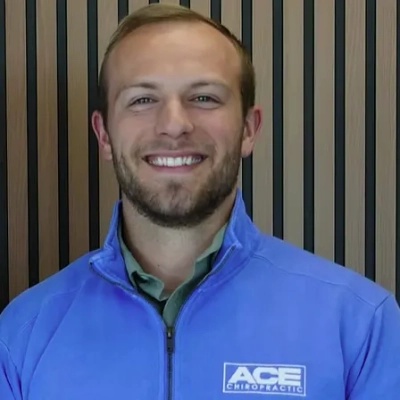
Brandon KeysCompany Owner, Ace Chiropractics
One simple change I would suggest is to stop checking emails and messages as soon as the session starts. Check the intake first, and ask what you could do for the patient. Something like "What has been the most difficult thing in your life last week?" will give you some information not mentioned in the intake form.
It is important to be able to make notes during the interview. Just say "Let me take some notes so I wouldn't miss anything". A simple explanation works better than just looking at the screen while someone is talking.
It would also be important to schedule nonurgent communication and calls into specific slots in your daily routine or it would start occupying the majority of your schedule. Finally, check if the main problem of the patient was addressed. It provides an opportunity to clarify a misunderstanding face-to-face rather than over the phone.