

8 Challenging Situations in Medical Student Mentorship and How to Resolve Them
Medical student mentorship often presents complex challenges that can derail even the most well-intentioned relationships between trainees and their guides. This article examines eight common mentorship obstacles and provides practical solutions drawn from experienced educators and clinicians in academic medicine. Readers will find concrete strategies for handling difficult scenarios, from managing overambitious students to building trust with those struggling with self-doubt.
Model Empathy and Use Reflective Debriefs
One challenging situation I faced was working with a medical student who had strong knowledge but struggled with patient communication. They were very focused on getting through the clinical checklist and not as comfortable slowing down to connect with the patient, which started to impact patient trust and the overall experience.
Instead of just pointing out what wasn't working, I approached it by modeling the behavior in real time. During patient visits, I would demonstrate how to balance efficiency with empathy, taking a few extra moments to ask open-ended questions and acknowledge patient concerns. Afterward, we would debrief and talk through what they noticed and what felt different.
Over time, I had the student lead more of the conversation while I observed and gave specific, constructive feedback. The improvement was noticeable fairly quickly once they understood that communication is not separate from clinical care, it is a core part of it.
The biggest lesson for me was that mentorship works best when it is collaborative and practical. Showing rather than just telling, and creating space for reflection, helps bridge the gap between knowledge and real-world application.

Channel Ambition into Disciplined Growth
One challenging situation I faced was mentoring a very ambitious medical student who wanted a career in surgery and was eager to do more than he was truly prepared for. He was intelligent and motivated, but also impatient, sometimes pushing for responsibilities beyond his level and not yet fully understanding how important professional behavior is with patients and colleagues.
I addressed this by working with him more closely. We had several honest conversations about how to behave with patients, how to communicate respectfully within the team, and how persistence in surgery must always be balanced with humility and readiness. At the same time, I helped him build his surgical skills step by step in a structured way.
Over time, he became more mature, focused, and aware of his role.
The main lesson I learned is that ambition is valuable, but it needs guidance. A good mentor should not suppress that energy, but help turn it into disciplined professional growth.
D-r Martina Ambardjieva, Urologist
Teaching surgery assistant
Medical expert at Invigor Medical
https://invigormedical.com/

Offer Reassurance Phrases to Earn Trust
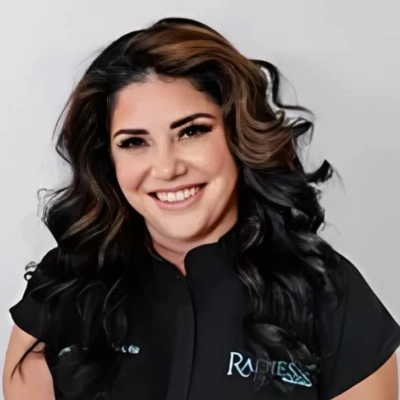
When asked about their confidence and abilities, students freeze and enter panic mode. Silence is not only awkward, but it is fear-evoking. I broke the freeze using two sentences: I said, That's a fair question, and I'm still learning - but my attending watches me closely. Most students lost the fear - patients feel safe when someone is watching over them. They are more likely to trust that they are actually in good hands.
Others assume that clinical skills come first. But trust is built primarily with the patients, and that is usually the biggest challenge. With the right preparation, a little practice with the phrases goes a long way. Just a few minutes of practice, and the difference during the shift is remarkable. Small adjustments during preparation can really change the course of events during the shift.
Align Supervisors with a Triad Compact
Mixed directions from different supervisors can leave a student unsure and stressed. A triad alignment meeting with the student, the main supervisor, and a program lead can bring clarity. Begin by naming shared goals, mapping duties, and stating real limits like clinic flow or duty hours.
Capture the plan as a short learning compact with timelines, decision rules, and a check-in date. Guard against power gaps by letting the student speak first and by using a neutral chair to keep balance. Set up a 30-minute triad meeting this week and draft a one-page compact right after it.
Build a Safe Structured Feedback Ritual
Fear around feedback can shut down learning and trust. Set a standing ritual that starts with the learner’s self check, uses a simple method like Situation-Behavior-Impact, and ends with one agreed next step. Keep tone safe by separating person from behavior and by limiting focus to one or two items at a time.
Invite upward feedback to the mentor using prompts such as what helped today and what could be different. Capture notes in a shared log so growth is visible and surprises are rare during formal reviews. Pilot this feedback ritual for two weeks and schedule a midpoint debrief to refine it.
Define Entrustment Levels and Clarify Scope
Unclear scope can place patients at risk and put students in unfair spots. Publish simple, mobile-ready guidelines that spell out permitted tasks, supervision levels, and who to call when unsure. Tie activities to entrustment levels so the team knows when direct, indirect, or no supervision is required.
Give students pocket cards and short scripts to redirect requests from patients or staff that fall outside scope. Reinforce boundaries at daily huddles and celebrate when students speak up to pause an unsafe task. Share the scope guide today, add it to the huddle plan, and set a reminder to review it each rotation.
Set SMART Goals and Restore Momentum
Low drive in a learner often hides unclear aims or fear of failure. Turn vague hopes into SMART goals that name a skill, a deadline, and a measure that can be seen. Break work into short sprints with brief, predictable check-ins that praise progress and reset plans.
Ask about barriers like workload, transport, or sleep, and solve what can be solved to restore energy. Use a simple progress board so the learner can see wins pile up and feel control. Create two SMART goals for the next week and book two 10-minute check-ins now.
Apply Just Culture and Repair Harm
A lapse in professionalism calls for calm facts and a fair frame, not quick blame. Use a just-culture lens to sort human error from at-risk or reckless behavior and to match response to risk. Protect patients first, then meet to review what happened, its impact, and what conditions set the stage.
Co-create a written plan that may include reflection, skills practice, apology or repair steps, and follow-up dates. Reinforce expectations across the team so norms are clear and support is real for preventing repeats. Start a just-culture review within 24 hours and agree on a remediation plan with clear milestones.