
Summary
Most professionals overlook some of the most powerful networking opportunities available to them, missing chances to build connections that could reshape their careers. This article explores nine unconventional settings where meaningful professional relationships take root, backed by insights from experts who have transformed these moments into career-defining opportunities. From community health fairs to quality improvement projects, these overlooked venues offer more than just handshakes—they create pathways to lasting professional growth.
- Contributor
- Staff
- Published
- September 4, 2026
- Contributors
- CC
 YF
YF YF
YF LS
LS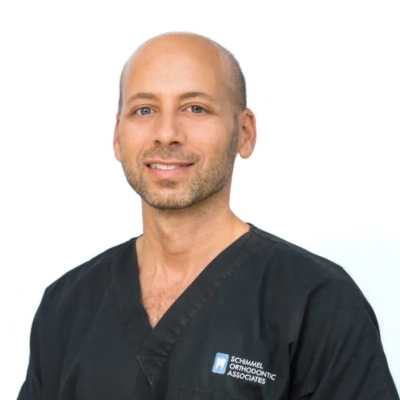 AL
AL AE
AE VC
VC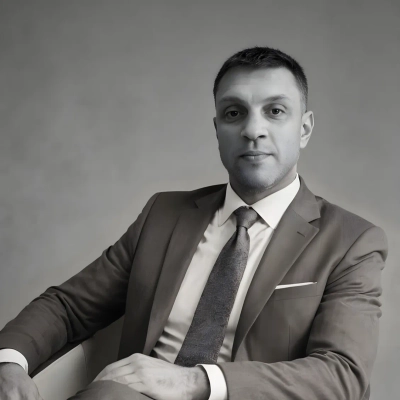 RT
RT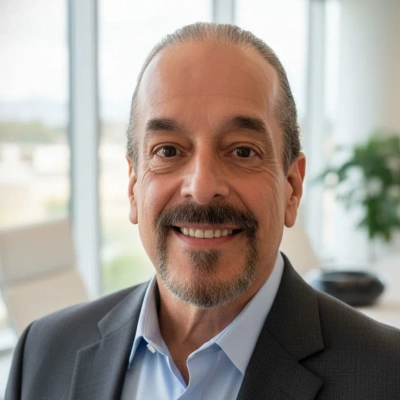 Christian Caswell · Ydette Florendo · Ysabel Florendo · Laurence Schimmel · Angela Leung · Anna Evans · Vincent Caradec · Robert Thompson · Pablo Prichard
Community Health Fairs Forge Lasting Connections
Christian CaswellUpper Cervical Chiropractor, Top Chiro
At one point, I would have overlooked community events in the form of health fairs, shopping centre booths, and free spine check-ups, believing them to be more marketing than networking opportunities. However, having gone out into the community and set up a booth that offered people a quick check-up of their posture, I realized that it had helped me get in touch with other practitioners, local businesses, and even potential future patients.
Clinic Pilots Reveal Adherence Needs
Ydette FlorendoMarketing coordinator, A-S Medical Solutions
At A-S Medication Solutions, I've learned that the networking opportunity I once overlooked was partnering with local clinics on point-of-care medication dispensing pilots. Early on, I saw it as just another vendor demo, but after attending one session in Libertyville, it clicked how these conversations revealed real struggles with medication adherence that our prepackaged solutions directly fix.
What made it invaluable was hearing clinicians share stories of patients leaving appointments without their meds, only to skip doses later. We showed them how our on-site dispensing model cuts that gap, and they immediately grasped the value. That single connection led to three new healthcare institutions adopting our services across multiple states, and it opened doors to government agencies we serve too.
This experience completely shifted my approach to professional networking. I don't chase big stages anymore. Instead, I prioritize intimate roundtables where we build trust through clear communication about tradeoffs, like balancing upfront setup with long-term adherence gains. When resources are tight, we research topics thoroughly before giving public guidance so every interaction feels authentic and helpful.
Now I treat every conversation like a chance to explain how our FDA-registered automated technologies reduce human error while our wholesale drug distribution keeps costs manageable. It's not about collecting cards; it's about creating partnerships that streamline patient care nationwide. Since we're licensed in all 50 states and have supported over 3,600 provider dispensing sites since 1968, I come prepared with facts that resonate.
The change has made me more selective and way more effective. I focus on audiences like clinicians and employer health providers who truly benefit from our integrated pharmacy solutions and mail-order programs. That overlooked clinic meetup taught me networking works best when it's rooted in solving actual problems together. Don't underestimate those smaller gatherings; they often deliver the biggest breakthroughs for everyone involved.
Chamber Mixers Open New Care Pathways
Ysabel FlorendoMarketing coordinator, Davila's Clinic
At Davila's Clinic, we've seen how a single connection can transform everything we do for families in Weslaco. Early on, I overlooked our local chamber of commerce mixers, thinking they were just small-talk sessions that pulled me from patient wellness priorities. Boy, was I wrong. One evening event at the Rio Grande Valley chamber led me to meet a community leader who later partnered with us on a free preventive healthcare workshop. That night, we connected over shared goals for accessible care, and it opened doors to new telemedicine referrals we never expected.
The experience showed me networking isn't about collecting cards; it's about building genuine trust that mirrors how we communicate with our patients. We don't just hand out info; we listen first, and that same approach works wonders with professionals. After that mixer, I started prioritizing these gatherings even when our schedule felt tight because we've learned the right conversation today prevents bigger gaps tomorrow. It's like explaining tradeoffs to families choosing between immediate check-ups and long-term chronic disease management: we show them the value upfront so they see why it's worth it.
Now I research every opportunity before committing, just as we research topics before giving public guidance on wellness. I ask what mutual benefit looks like and how it supports our patient-first mission of high-quality, compassionate healthcare. This shift made me far more intentional. Instead of waiting for big conferences, I now attend events on Saturdays too, since they fit working professionals' lives perfectly.
The result? Stronger ties across the Rio Grande Valley that help us deliver better physical check-ups, patient education, and personalized plans. Networking done right doesn't take time away from care; it multiplies our impact. If you're in healthcare, don't sleep on those local mixers; they might become your most valuable move yet. We've watched it strengthen everything from preventive programs to community trust, and I'm convinced it'll do the same for you.
Digital Marketers Reframe Patient Education
Laurence SchimmelOwner & Orthodontist, Schimmel Orthodontic Associates
For years, most of my professional networking was naturally with other dentists and healthcare professionals. What I initially overlooked was how valuable it could be to build relationships with digital marketers who understood SEO, social media, websites, and patient lead generation.
As a clinician, my expertise is orthodontics. Working with people who understand digital marketing helped me see our website and social media differently. They aren't simply places to advertise. They can be educational resources where patients learn about braces, Invisalign, treatment expectations, and common questions before they ever schedule a consultation.
That changed my approach to networking. I now see value in building relationships outside my own profession. Some of the best ideas for growing a healthcare practice come from people who understand something you don't.
After more than 30 years in orthodontics, I've learned that being an expert in your field doesn't mean you need to be the expert in every part of your business.
Conferences Elevate Knowledge Exchange
Angela LeungDental Implantologist, Endodontist, Periodontist, Oral Surgeon, Cosmetic Dentist, Fellow of the ICOI, Diplomate of the ICOI, Associate Fellow of the AAID, Angela Leung DDS PC
Another opportunity where networking has been an important element of professional success is my attendance at various conferences and continuing education classes. At first, I considered the process of networking to be just about making contacts that might become useful for me later; however, as the result of attending such classes and conferences, I managed to make a few long-term professional contacts.
As I have found out through my interactions with other professionals, networking means exchanging experiences and discussing different cases to learn how other professionals handle them. Thus, I started to understand how to approach patient management and practice development.
This experience completely changed my attitude towards networking and made me value knowledge exchange more than anything else.
Health Plan Representative Cuts Claim Denials
Anna EvansFounder, Interlinked Wellness
For a long time I treated the provider relations representative from our largest health plan as somebody to avoid.
She emailed every few months asking to stop by, and I read it as a sales call dressed up as service. I said yes eventually, mostly to end the emails. She turned out to have a direct line into the claims side, a seat on the committee that circulates policy changes months before they reach us, and a clear answer as to why one category of our claims kept coming back denied. It was a coding rule we had been getting wrong since the day we opened. Our denial rate fell about 12% the following quarter.
What changed afterwards is that I stopped sorting contacts by whether they seemed to want something from me. Wanting something and being useful turned out to be unrelated. I now take the meeting whenever somebody has visibility into a system I depend on and cannot see inside, even when it looks like a pitch, and I do the same with our lab and our software account team twice a year.
She is also the first call I make now when something goes strange with a payer, which is worth more to a small practice than any conference I have paid to attend.
Referring Physicians Drive Durable Growth
Vincent CaradecCEO_CoFounder, Healthi Life
I'm not a clinician myself; I'm the co-founder of a doctor-led longevity house in Bangkok, so my networking world sits right at the intersection of medicine and business. The connection I underestimated early on was local hospital administrators and referring physicians outside our own team.
I assumed our growth would come mostly from marketing and word of mouth among guests. It came just as much from doctors who trusted us enough to send patients our way for the kind of preventive, longer-term care their own practice couldn't offer. That relationship took longer to build than any ad campaign, and it's proven far more durable.
What changed for me: I stopped treating networking as something separate from the clinical side of the business. Every conversation with another physician is also a conversation about how we practice medicine, not just about referrals.
Quality Projects Build Collegial Trust
Robert ThompsonMedical Contributor, Care Point Boston
I believe a significant networking experience is participating in multi-disciplinary leadership or quality improvement projects, which many health professionals view as administrative opportunities as opposed to opportunities to form professional relationships. These types of collaborations involve individuals with varying specialty backgrounds, and by collaborating on the same challenge or issue, can create greater and longer-lasting professional connections than simply meeting someone at a formal networking event. As such, it supports the belief that the best networking typically occurs when you're creating value for others versus when you are specifically attempting to network. I now think about professional relationships in terms of being a part of a team; therefore, if you can develop trust with colleagues through communication and follow-through on commitments, they will likely remember this during future networking opportunities.
Casual Talks Expand Clinical Perspectives
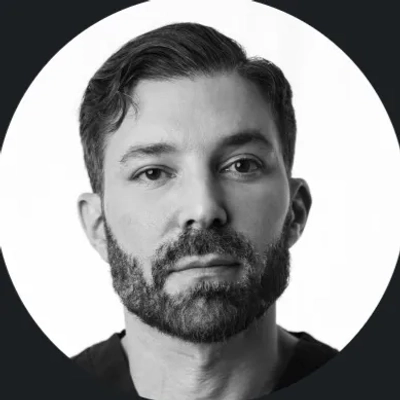
Pablo PrichardPlastic and Reconstructive Surgeon & Longevity Expert | Co-Founder, Vincere Cancer Center | Founder, AAA Plastic Surgery | Host, Forever Young TV, Vincere Cancer Center
I didn't realize how important it was to spend time with healthcare workers outside my area. I used to think networking only happened at formal events like conferences or meetings with people in my field. But some of the best connections came from casual talks with doctors and other healthcare workers who faced different challenges than I did. The most helpful connections don't always help your career directly; they can change how you think about it. Those chats showed me new ways to care for patients, lead, use technology, and manage practices. They also led to chances to work together that I didn't expect. This changed how I network. Now, I care less about just gathering contacts and more about being genuinely interested in what others are doing, even if it doesn't help me right away. A good networking chat doesn't need a deal attached. In medicine, unexpected talks can be more valuable than planned meetings.