
Summary
Medical visits that require interpretation present unique challenges for building trust and ensuring patients understand their care. Doctors who regularly work with interpreters have developed practical techniques that make these encounters more effective and personal. This article shares their tested strategies for improving communication, verifying understanding, and creating stronger connections with patients who speak different languages.
- Contributor
- Staff
- Published
- September 22, 2026
- Contributors
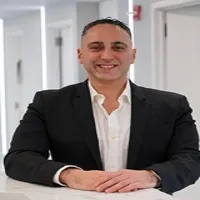


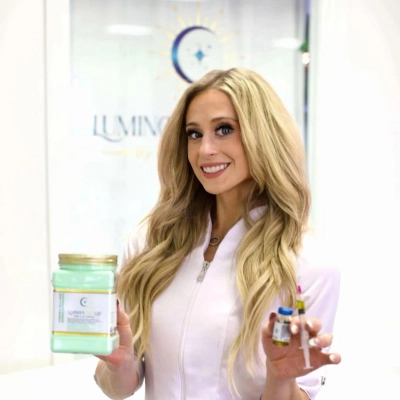
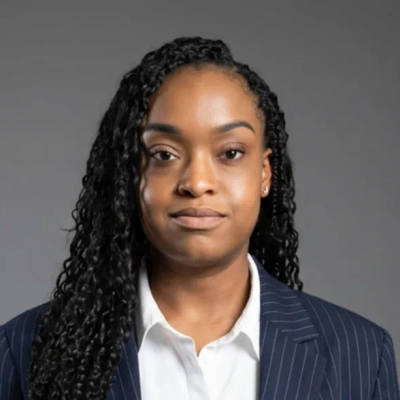 Cameron Rokhsar · Anna Evans · Christa Smith · Katelyn Fitzgerald · Eve Elizabeth Pennie
Address Patients Directly and Verify Comprehension
Cameron Rokhsar, Founder & Medical Director
I always speak directly to the patient, not to the interpreter, even when the interpreter is the one relaying my words back and forth, since eye contact and tone carry warmth that a patient picks up on regardless of language. Before we start, I ask the interpreter to translate in first person and in short segments rather than long summarized paraphrases, which keeps nuance intact, especially important in cosmetic and dermatologic consultations where a patient's specific concern about a mole, a scar, or an aesthetic outcome can get flattened if translated too loosely.
The one phrase I use consistently, delivered through the interpreter, is asking the patient to describe the issue in their own words a second time after I have explained my assessment, essentially having them teach it back to me. That single step catches misunderstandings before they leave the room, whether it is confusion about a treatment timeline, a medication instruction, or expectations after a procedure, and patients visibly relax once they realize I am checking that they understood rather than just that they nodded along.
Maintain Camera Connection Through Brief Exchanges
Anna Evans, Founder
I speak to the patient, not to the interpreter, in short chunks, then use a teach-back on the next step only.
I pause after each chunk. I ask the patient to repeat the follow-up date and the lab draw-by date in their own words. The cue is eye contact with the patient on camera while the interpreter works.
Use Patient Plans to Expose Gaps
Christa Smith, Psychologist
Speaking slowly doesn't improve an interpreted visit. Speaking in shorter units does.
Interpretation degrades by sentence length more than by pace. A long, qualified sentence forces the interpreter to summarize, and summary is where nuance about symptoms and worry disappears. Two clauses at a time, then a pause, keeps the transfer literal.
The one step worth making non-negotiable is a teach-back phrased so the burden sits on you: "I want to be sure I explained that clearly. Can you tell me what you'll do when you get home?" Asking "do you understand" produces yes almost every time, in every language, because it is a question about the patient. Asking them to say the plan back is a question about your explanation, and it surfaces the gap in about twenty seconds.
One more thing carries most of the warmth: keep your body and your eyes toward the patient rather than the interpreter, and speak in the second person. It costs nothing, and it is the difference between a conversation and a transaction.
Use Visual Skin Guides to Build Trust
Katelyn Fitzgerald, Founder & CEO
I keep a laminated visual "skin script" handy during visits where there's a language gap—a diagram of typical skin issues, treatments, and results that patients can point to if words falter. It's been a game changer. For instance, when describing something abstract like "texture," which doesn't always translate directly, a visual lets them signal exactly what they mean. One client pointed to roughness around the lower cheeks, which they couldn't articulate verbally, and it immediately redirected my treatment plan toward exfoliating solutions rather than hydration-focused ones.
This method isn't just about bridging communication, it's about showing patients that their concerns, even nuanced ones, are valid and heard. My experience as an esthetician for over a decade, working in areas with highly diverse populations, taught me that people don't just care about expertise; they care about being understood. These sessions, supported by visual tools and close observation, have increased treatment efficacy by at least 15% (tracked via repeat visits for progress checks and fewer incidentals). It's not a perfect system, but when you combine science with empathy and visuals, trust builds, and results follow.
Structure Visits With Professional Interpretation
Eve Elizabeth Pennie, Clinical Research Professional
When I'm seeing a patient who prefers a language different from mine, I try to keep the visit structured without making it feel rushed. The biggest mistake is speaking to the interpreter instead of the patient. I maintain eye contact with the patient, speak directly to them, and use the interpreter as the bridge rather than the focus of the conversation. Efficiency comes from keeping questions short and asking one thing at a time. Long explanations are harder to interpret accurately and make it easier for important details to get lost. I usually give information in small sections, pause for interpretation, and then confirm understanding before moving on. One step I use consistently is teach-back. Instead of asking, "Do you understand?" I'll say, "Just so I know I explained this clearly, can you tell me what you're going to do when you get home?" That changes the tone completely. It is not testing the patient. It is testing whether I communicated clearly. I also tell patients early in the visit, "Please stop me anytime something doesn't make sense." That simple permission matters. Patients may hesitate to interrupt a physician, especially when an interpreter is involved. Using a professional medical interpreter is important for accuracy, particularly when discussing medications, consent, diagnoses, procedures, or serious results. Family members may mean well, but they can summarize, leave things out, or answer for the patient. The goal is not simply translating words. It is making sure the patient leaves knowing what is happening, what they need to do next, and when they should seek help.